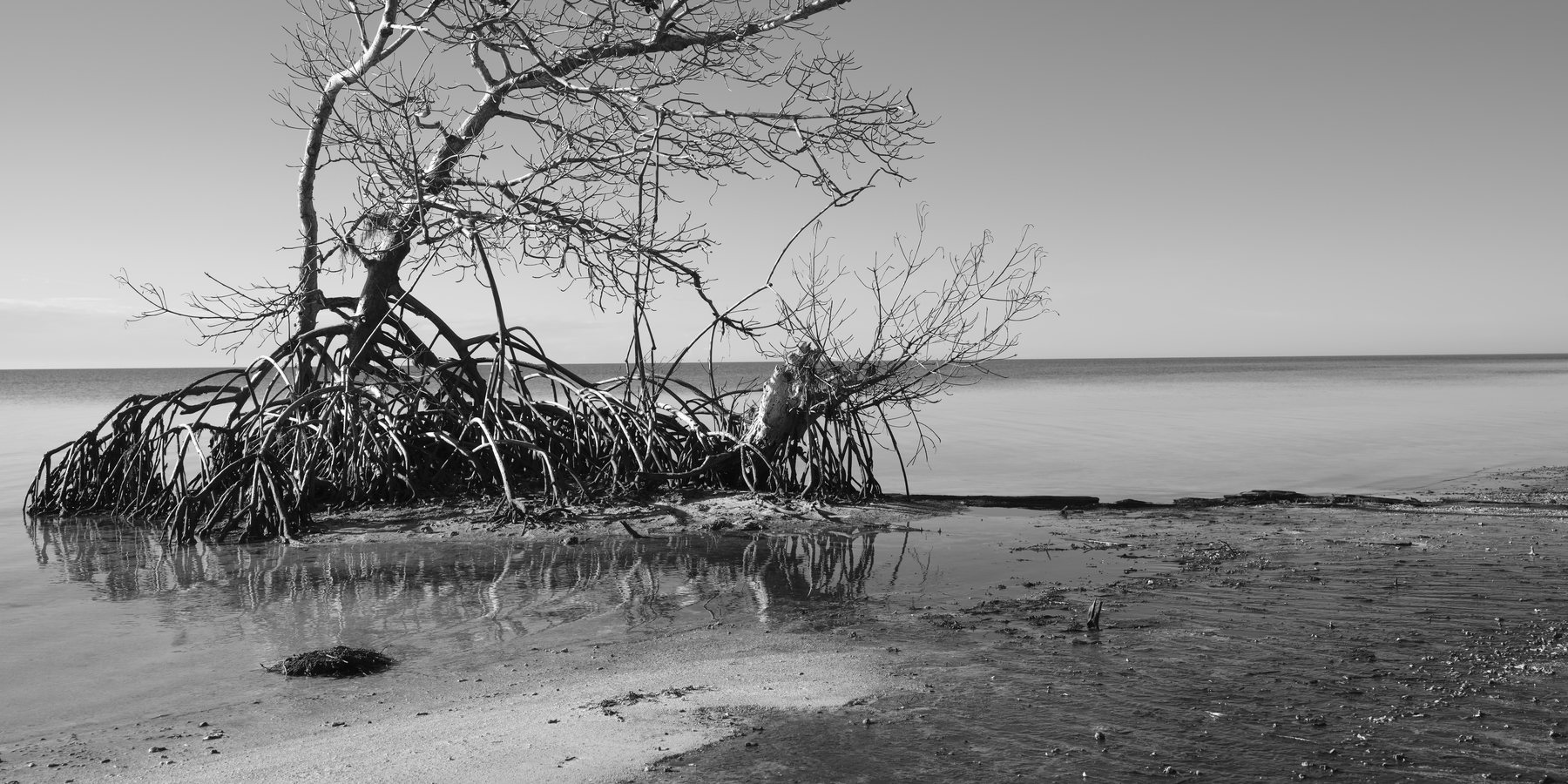
Living and working as an artist in the Florida Keys means being prepared for hurricane season. From June through November, the Keys face the potential for tropical storms and hurricanes that can threaten studios, artwork, and livelihoods. This guide provides essential information to help artists protect their work and recover quickly.
Before the Storm
Preparation is the most important step in protecting your artwork and studio. Begin planning well before hurricane season starts.
Preparation Checklist
- Document all artwork with photographs and maintain a detailed inventory
- Store digital copies of your inventory off-site or in the cloud
- Invest in waterproof, airtight containers for storing artwork and supplies
- Move artwork to the highest available shelving, away from windows and doors
- Wrap paintings and framed works in plastic sheeting or bubble wrap
- Remove artwork from walls and store flat or in padded racks
- Back up digital files, portfolios, and business records
- Secure heavy sculptures and installations to prevent tipping
- Install hurricane shutters or pre-cut plywood for studio windows
- Prepare a go-bag with essential documents, supplies, and portable tools
During the Storm
- Follow all evacuation orders issued by Monroe County Emergency Management
- Do not return to your studio until authorities declare it safe
- Monitor official weather updates from the National Hurricane Center
- Stay in contact with fellow artists and check on one another when safe to do so
- Keep your phone charged and have a battery-powered radio available
After the Storm
Returning to your studio after a storm requires caution and thorough documentation.
- Document all damage with photographs and video before cleaning up
- Contact your insurance company immediately to file claims
- Wear protective gear when entering damaged spaces (gloves, masks, boots)
- Separate damaged from undamaged artwork and begin drying wet pieces carefully
- Do not discard damaged artwork until insurance adjusters have inspected it
- Reach out to the Arts Council for information on emergency relief grants and resources
- Contact professional conservators for valuable or severely damaged works
Resources
FEMA
Federal Emergency Management Agency disaster assistance and recovery programs.
American Red Cross
Emergency shelter, supplies, and disaster relief services.
Monroe County Emergency Management
Local evacuation orders, shelter locations, and recovery information.
National Hurricane Center
Official forecasts, watches, warnings, and storm tracking.
Insurance Tips for Artists
- Review your policy annually, ensure coverage amounts reflect the current value of your artwork and equipment
- Consider specialized art insurance, standard homeowner or renter policies may not cover artwork adequately
- Maintain a current inventory, keep photographs, receipts, and appraisals of all artwork and supplies
- Understand flood insurance, standard policies typically exclude flood damage; consider a separate flood policy through the NFIP
- Document your studio, photograph your workspace, equipment, and storage areas before hurricane season
- Keep copies off-site, store insurance documents, inventory lists, and photographs in the cloud or at a mainland location